22_01


Funny old world: Offbeat news


Lobster meatballs are displayed for sale last week at a market in Hong Kong’s Wanchai area. Do the meatballs even contain lobster?

Photo: AFP

Even wives are banned. Patrick Opio Obote of the Lira vendors group said that some hussies even “take the drivers to bars and drink alcohol and they end up causing accidents.”

Covering up is complicated by the fact that conservative Ugandans do not like women wearing trousers. While women’s rights groups denounced the lorry ban as more “male chauvinism,” some wondered if it would be safer if women took the wheel.

LOCKED IN LOVE

Relations between the sexes are running much smoother in China now after a woman stuck on a never-ending first date by a lockdown went viral last week by complaining that her suitor was “as mute as a wooden dummy” and a “mediocre” cook.

This week Zhao Xiaoqing, a 28-year-old woman from northern China’s Shaanxi province, got engaged to her beau after they too were trapped on a date. This time however love rather than boredom blossomed, although some Chinese social media users were skeptical.

“After a year or two you’ll get tired of each other and divorce... I’ve seen too many of these kinds of flash marriages,” one netizen wrote.

BUT IS IT ART?

A Russian artist has been arrested for creating a snow statue of a giant turd near a war memorial in central Saint Petersburg.

Ivan Volkov, 30, painted his five-meter-long creation brown and drew a yellow puddle around it before posting pictures of it on Instagram with the legend, Caca.

SHELL-SHOCKED

It may look like lobster and taste like lobster, but if you are eating it in Hong Kong, it probably isn’t, the city’s Consumer Council warned.

Gourmets in the food-obsessed city are more than a little crabby at the results of DNA tests on one of its favorite foods, lobster meatballs.

Crustacean DNA was not found in any of the 10 samples the council tested, including one which listed lobster as an ingredient.

The mystery now is what are they made of. “We found some other ingredients... that might be other seafood or even meat-type” things, the council’s chairwoman said.

LETTUCE PRAY

America’s most famous rabbit is no more. Former US vice president Mike Pence’s bunny Marlon Bundo became an unlikely gay hero after a parody book about him falling in love with another buck rabbit topped bestseller lists, satirizing his owner’s anti-LGBTQ stance.

Pence’s daughter, Charlotte, who authored the series of children’s books told from Bundo’s point of view, broke the bad news about Bundo’s death to Americans.

When the first Bundo book was released, British TV comedian John Oliver published a parody version to support gay charities. Its sales outpaced the original and at one point held the number one spot on Amazon.


Incandescent lava erupts from a volcano in the Galápagos Islands


A WOLF AWKENS AT NIGHT


credit: nassa

 Pioneering photographer Sabine Weiss, who was the last surviving member of France's celebrated humanist school, has died aged 97 at her home in Paris.

Although she had stopped taking pictures, Weiss was actively involved in her archive until her death. Born in Switzerland, she learned her art in Geneva, moving to Paris after World War Two. She became renowned particularly for her images on the streets of Paris, and for 70 years remained at the heart of French photography.

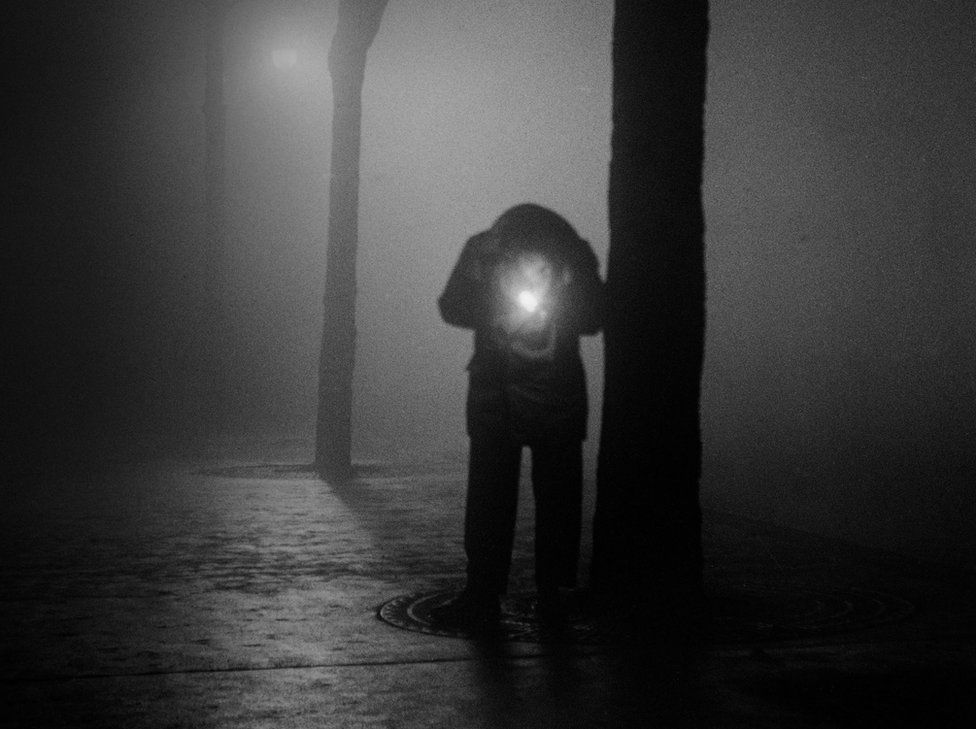
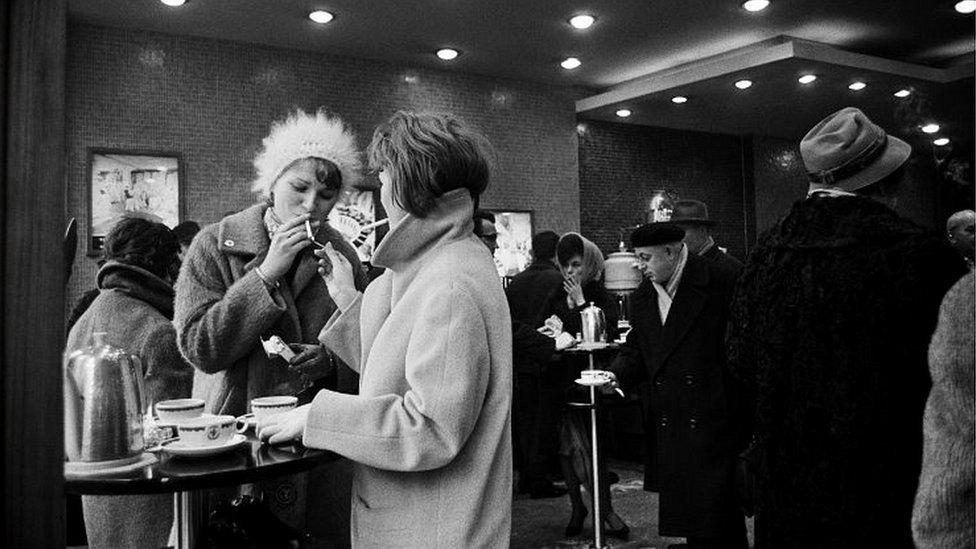
Man lighting a cigarette, Paris 1950IMAGE SOURCE,SABINE WEISS
Image caption,
Sabine Weiss opened a Paris studio in 1950. Man lighting a cigarette, Paris 1950, was from that period, four years after she arrived in the French capital.
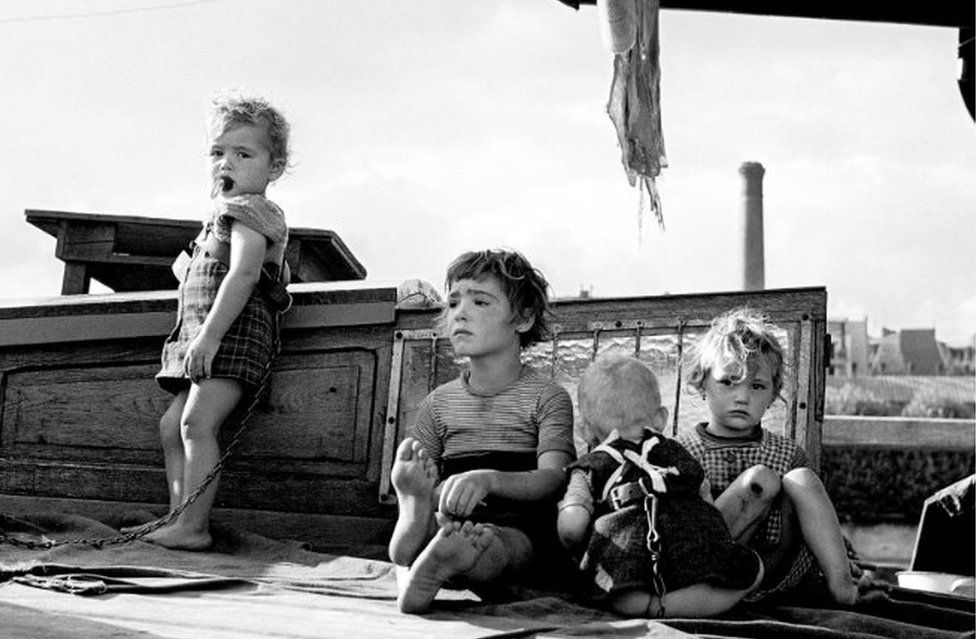
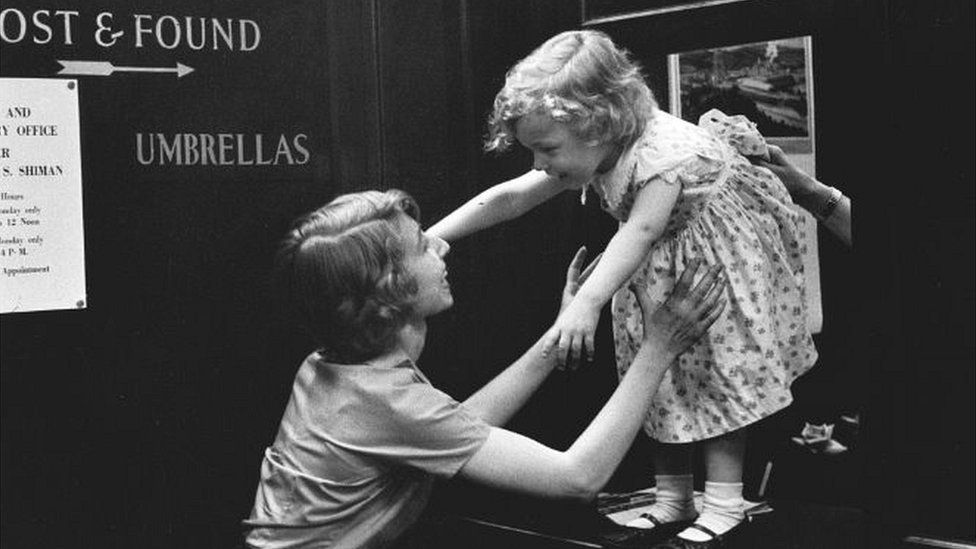
Children shackled on a barge in Paris, 1953IMAGE SOURCE,SABINE WEISS
Image caption,
She immortalised day-to-day life in Paris and much of her work featured the lives of children. This image from 1953 depicts children chained to a barge.
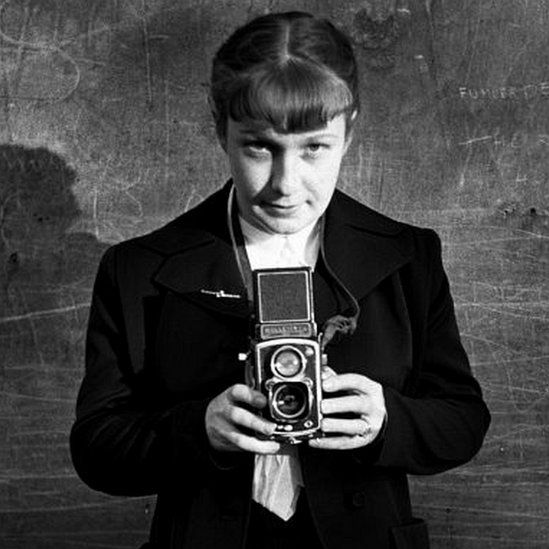
Self-portrait 1953IMAGE SOURCE,SABINE WEISS
Image caption,
Weiss began taking pictures when she was 18. This self-portrait is from 1953. Weiss said last year she went to morgues and factories for her pictures, photographing the rich and covering the fashion world. Everything else she did for herself spontaneously, she said.
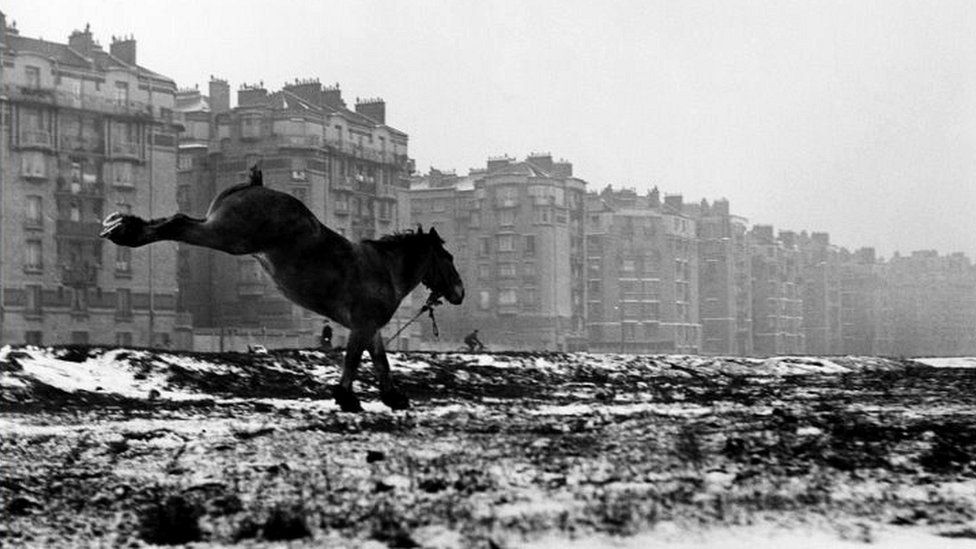
Porte de Vanves, Paris 1952IMAGE SOURCE,SABINE WEISS
Image caption,
In 1952, she met the photographers Robert Doisneau and Edward Steichen and joined their Rapho photo agency. This picture is from Porte de Vanves in Paris.
Man running (Hugh) 1953IMAGE SOURCE,SABINE WEISS
Image caption,
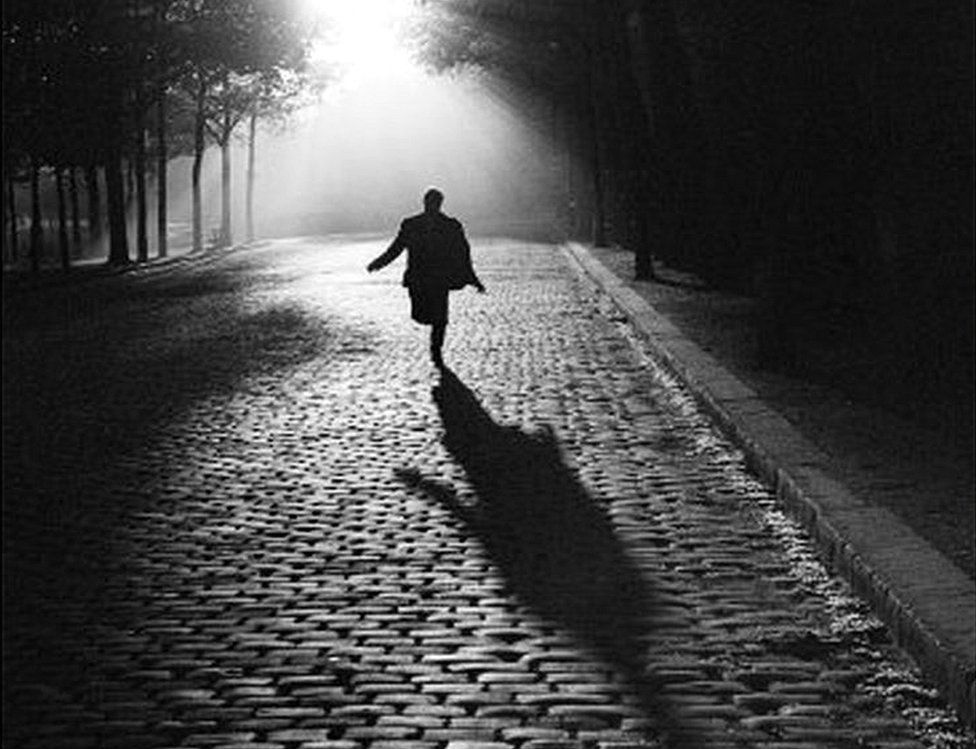
Man running is one of Sabine Weiss's most iconic works and actually features her husband Hugh. Weiss told him to start running "but not too far".
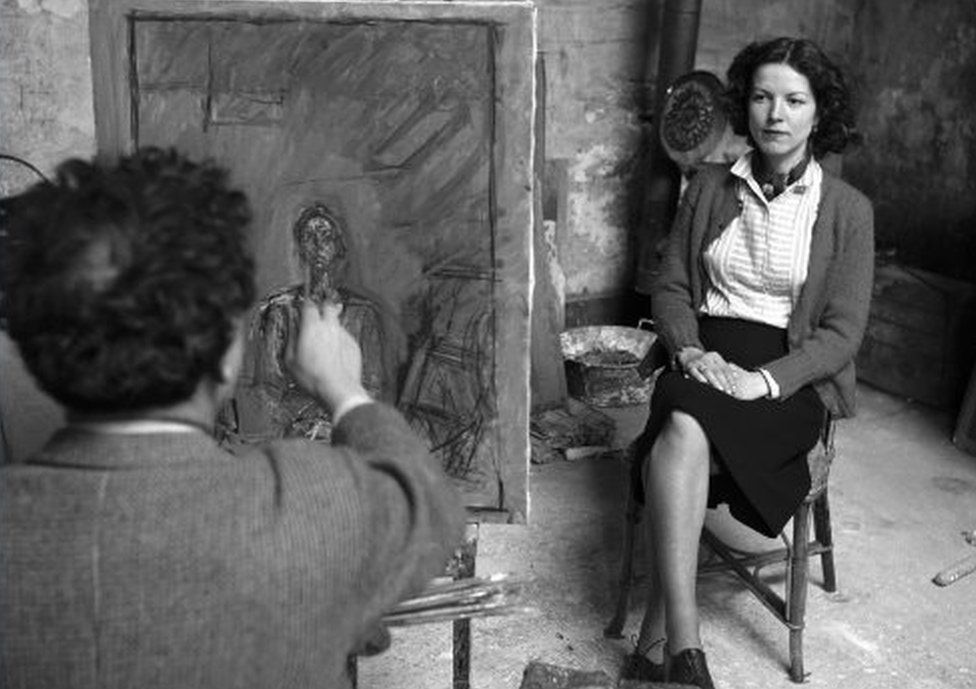
In this picture, Weiss captured artist and sculptor Alberto Giacometti drawing his wife Annette in 1954IMAGE SOURCE,SABINE WEISS
Image caption,
In this picture, Weiss captured artist and sculptor Alberto Giacometti as he drew his wife Annette in 1954
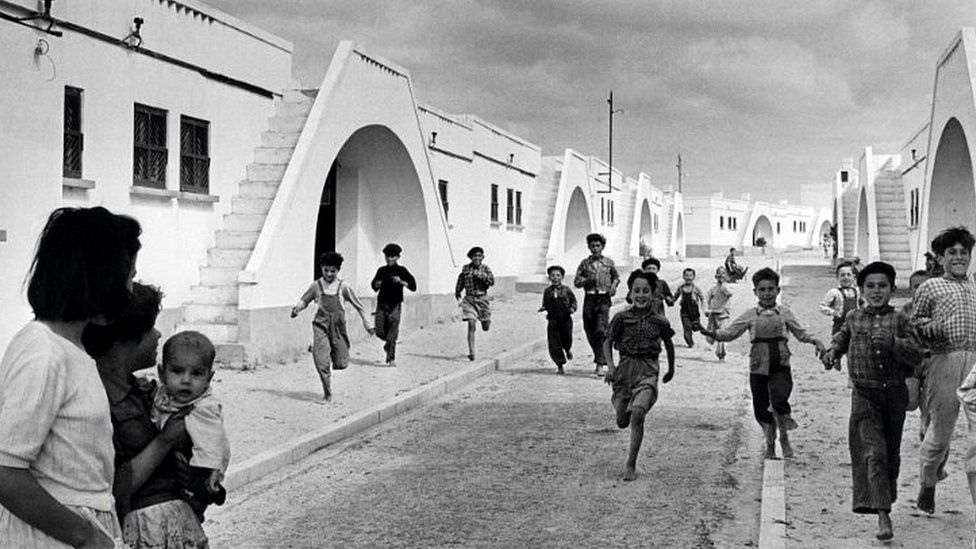
Modern fishing village of Olhao in Portugal in 1954IMAGE SOURCE,SABINE WEISS
Image caption,
She began to travel widely around Europe, the Middle East and the US. On this trip to Portugal she took this image in the modern fishing village of Olhao.
Exit from the Metro 1955IMAGE SOURCE,SABINE WEISS
Image caption,
She would tour Paris by night with her painter husband Hugh Weiss, taking street scenes - and here an exit from the Metro in 1955.
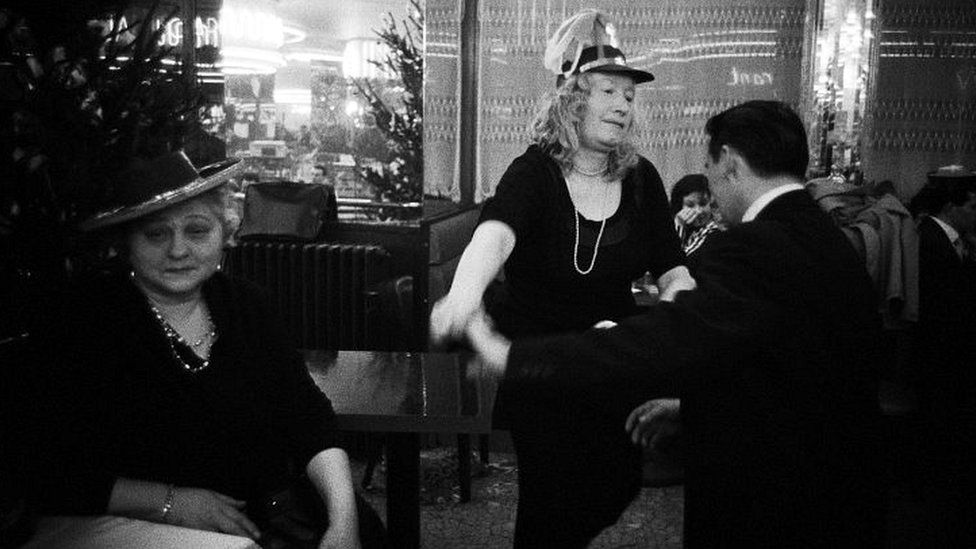
Paris 31 December 1956IMAGE SOURCE,SABINE WEISS
Image caption,
Weiss said once that her aim was to capture "snotty-nosed kids... beggars... and the little piss-takers".
Children in New York in 1955IMAGE SOURCE,SABINE WEISS
Image caption,
During the 1950s and early 1960s she worked widely for international publications. Among her clients were Newsweek, Time, Life, Esquire and Paris Match. She captured this image in New York in 1955.
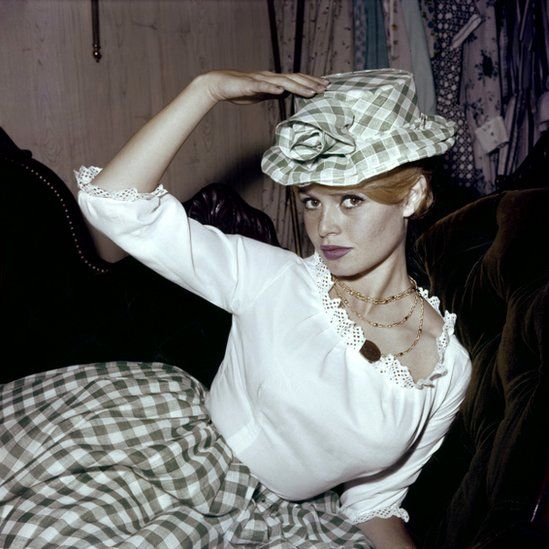
Brigitte Bardot featured in one of Weiss's portraits, here trying on a Vichy skirt in 1959IMAGE SOURCE,SABINE WEISS
Image caption,
Brigitte Bardot featured in one of Weiss's portraits for the Rapho agency, here trying on a Vichy skirt in 1959. Weiss was also well known for her portraits of Benjamin Britten, Igor Stravinsky and cellist Pablo Casals.
Berlin, 1962 for VogueIMAGE SOURCE,SABINE WEISS
Image caption,
Robert Doisneau brought her on to the books at Vogue magazine where she worked for nine years. This picture was taken in Berlin in 1962.
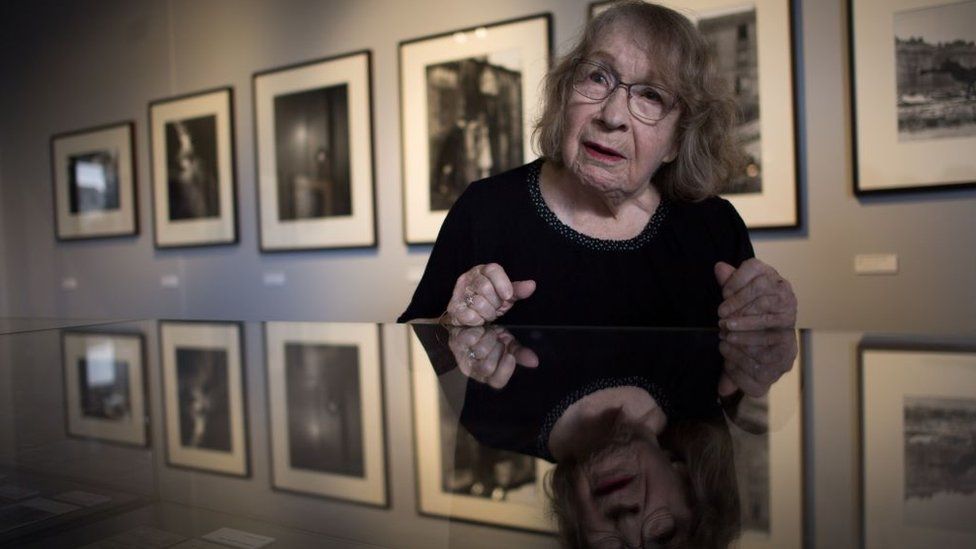
Swiss-French photographer Sabine Weiss poses in front of her pictures on July 16, 2020 in Vannes as she visits a retrospective exhibition of her workIMAGE SOURCE,LOIC VENANCE/AFP
Image caption,
Pictured here in 2020, Sabine Weiss was awarded the Women In Motion prize in honour of a lifetime of work. She donated her archive in 2017 to the Elysée museum in Lausanne in Switzerland.