2025in Reuters Picture
A Visual Chronicle of the Year’s Most Memorable Moments
https://www.reuters.com/investigates/special-report/year-end-2025-photos-best/
https://www.reuters.com/investigates/special-report/year-end-2025-photos-best/

Wellington, New Zealand
A seal walked into a bar. Or to use a technical term, it
galumphed.
The creature was apparently lost, curious and well below New
Zealand’s legal drinking age. It lodged itself under the dishwasher and showed
no interest in calling a cab.
It was a wet, lazy Sunday evening when the baby fur seal
waddled into the Sprig + Fern The Meadows craft beer bar in Richmond, at the
top of New Zealand’s South Island. Accustomed to seeing animals in the
pet-friendly bar, co-owner Bella Evans assumed the visitor was a dog before she
took a closer look.
“Everyone was in shock,” Evans said. “Oh my gosh. What do we
do? What’s going on?”
A patron grabbed a sweater and tried to usher the seal out
of the back door. Evading its pursuers, the creature dashed into a restroom and
then hid under the dishwasher, which was swiftly unplugged.
Another customer fetched a dog crate from home, and Evans
made a plan to lure the unruly visitor out of its hiding place using a pizza
topping the pub was offering as a special.
“I just went to my fiancé, I said, grab the salmon! Grab the
salmon!”
Then it was a brief wait for conservation rangers to arrive.
It turned out they were already tracking the wandering seal.
“It was their fourth call for the day,” Evans said. “They
had been driving around this new-build subdivision trying to find this baby
seal.”
New Zealand’s conservation agency confirmed it received
“numerous” reports from the public about a seal spotted in Richmond on Sunday
before the fugitive turned up at the pub. Bar staff “did a great job keeping
the seal safe” until rangers arrived, said Department of Conservation
spokesperson Helen Otley.
The seal was released on nearby Rabbit Island, considered a
safe location because of its dog-free status, Otley said. It’s not unusual for
curious young seals to show up in unexpected places at this time of year, she
added, as they follow rivers and streams up to 15 km (9 miles) inland.
“They can turn up in unusual places, like this pub, but this
is normal exploratory behavior,” Otley said.
Successful conservation programs in New Zealand have
resulted in growing seal and sea lion populations, bringing them into closer
contact with humans than before. Scientists refer to an annual “silly season”
for both species, a period of months during which they regularly appear in
strange places – houses, golf courses or busy roads.
Evans, who has owned the pub with her partner for just a few
months, said the baby fur seal was the first unruly patron she’s had to evict.
But she said the animal, named Fern by staff, was welcome back.
“There’s been the running joke that we’ve got the seal of
approval,” she said.
Salmon will remain on the menu.

Known as America’s Dairyland, Wisconsin produces the most cheese of any state and trails only California in the production of milk. Less famously, the state outpaces all others in a key part of many Thanksgiving menus. Wisconsin is the leading producer of cranberries in the U.S., with its annual hauls accounting for more than half of the country’s total yield.
The wetlands, cool climate, and sandy, acidic soils of central and northern Wisconsin provide the foundation for raising the tart berry successfully. This satellite image shows geometric networks of cranberry beds alongside small lakes near the town of Warrens, the “Cranberry Capital of Wisconsin.” It was acquired with the OLI-2 (Operational Land Imager-2) on Landsat 9 on October 13, 2025, during the autumn harvest season.
When berries are ripe, growers flood fields with up to a foot of water and then use specialized machines to knock fruit off the vines. Because cranberries contain pockets of air, they float to the surface—turning entire fields red—to be corralled and removed. Beds are not all flooded at once; satellite images acquired throughout the fall show different areas appearing red at different times.
Cranberries are native to Wisconsin marshes, and Native Americans have harvested the fruit for centuries. Commercial production in Wisconsin began in the mid-19th century and expanded as technology and cultivation methods improved. Around 1950, harvesting largely shifted from hand rakes to machines. By 1956, Wisconsin was the second-largest cranberry producer in the U.S. after Massachusetts, and in 1994 it took over the top spot. Today, cranberries in Wisconsin are an approximately $1 billion industry that employs nearly 4,000 people.
In mid-November, as Thanksgiving approaches, the brilliant red berries are on their way to be sold in markets or processed for use in sauces, juices, and other products. Meanwhile, the vines turn deep purple and go dormant. Growers prepare the beds for winter by again flooding the fields to cover plants in a protective layer of ice. They also coat the ice in sand, which will become part of the substrate and rejuvenate growth in the spring. With the right care, a cranberry plant can produce fruit for 50 years or more.
NASA Earth Observatory image by Lauren Dauphin, using Landsat data from the U.S. Geological Survey. Story by Lindsey Doermann.
 © Photo by iStock: Hiro1775
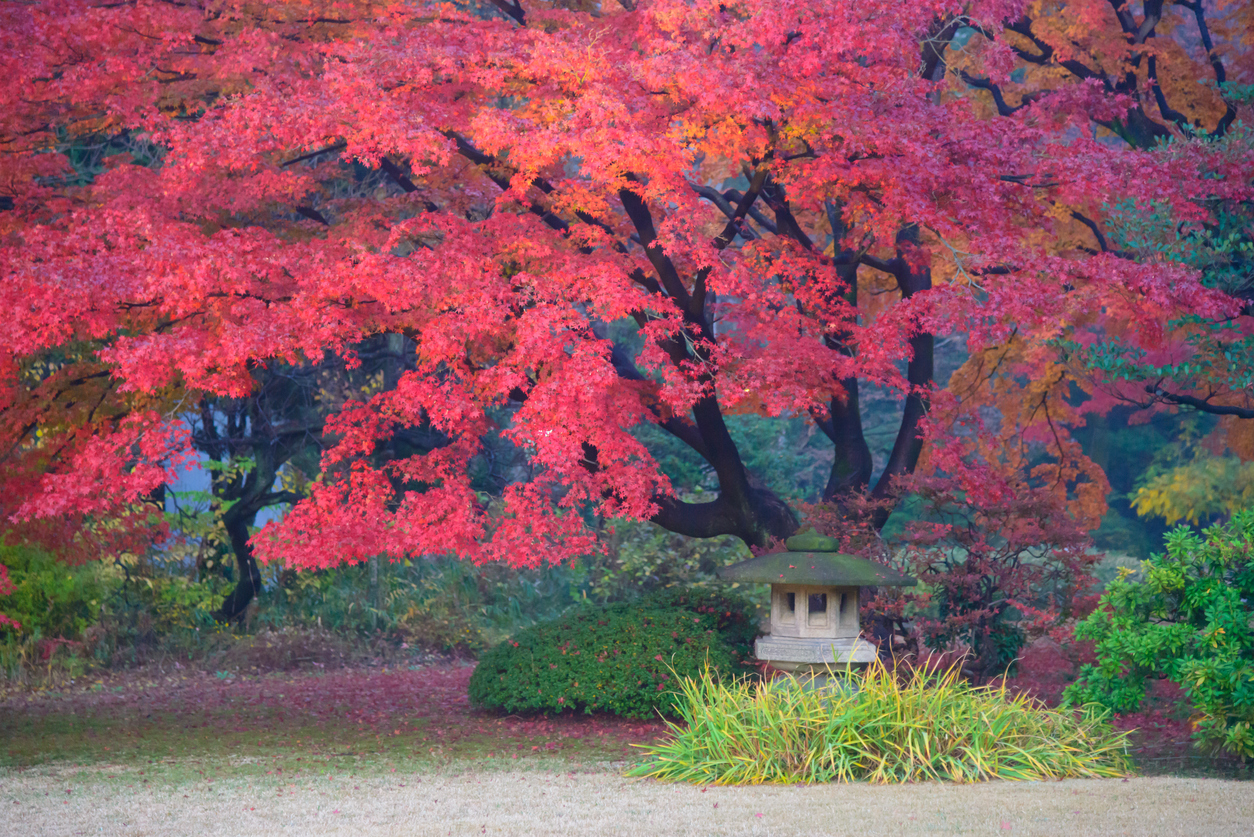
Located a short walk (or skip if you’re excited) from Komagome Station, Rikugien Gardens—well known as a top cherry blossom viewing spot, too—don’t skip out on the koyo. In addition to beautiful bridges, colorful trees, and the old Edo vibe, these gardens are renowned for their autumn night light-ups. This year’s illumination is from November 28 to December 9th, beginning at 6 p.m. and finishing at 8:30 p.m. Don’t miss those colors!
 © Photo by Pixta: SUYA
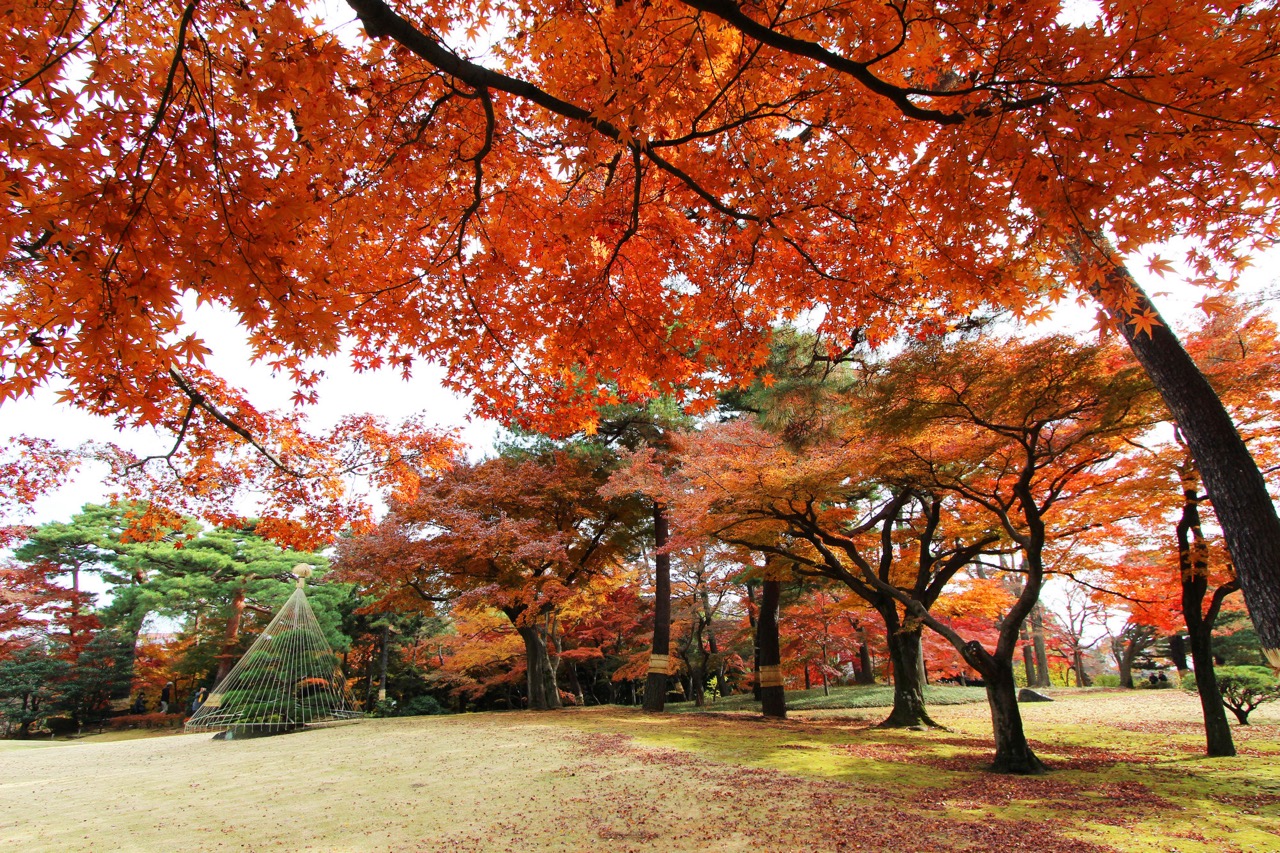
Worth a trip to Kokubunji? Yes. A thousand times. Type the name of this garden into Google images and you’ll see why. Complete with garden tunnels, secluded pathways, bamboo forests and a lovely koi pond, Tonogayato Garden is only a 20-minute Chuo rapid line ride away from the fast-paced, concrete jungle of Shinjuku. An escape if there ever was one.
 © Photo by iStock: tawatchaiprakobkit
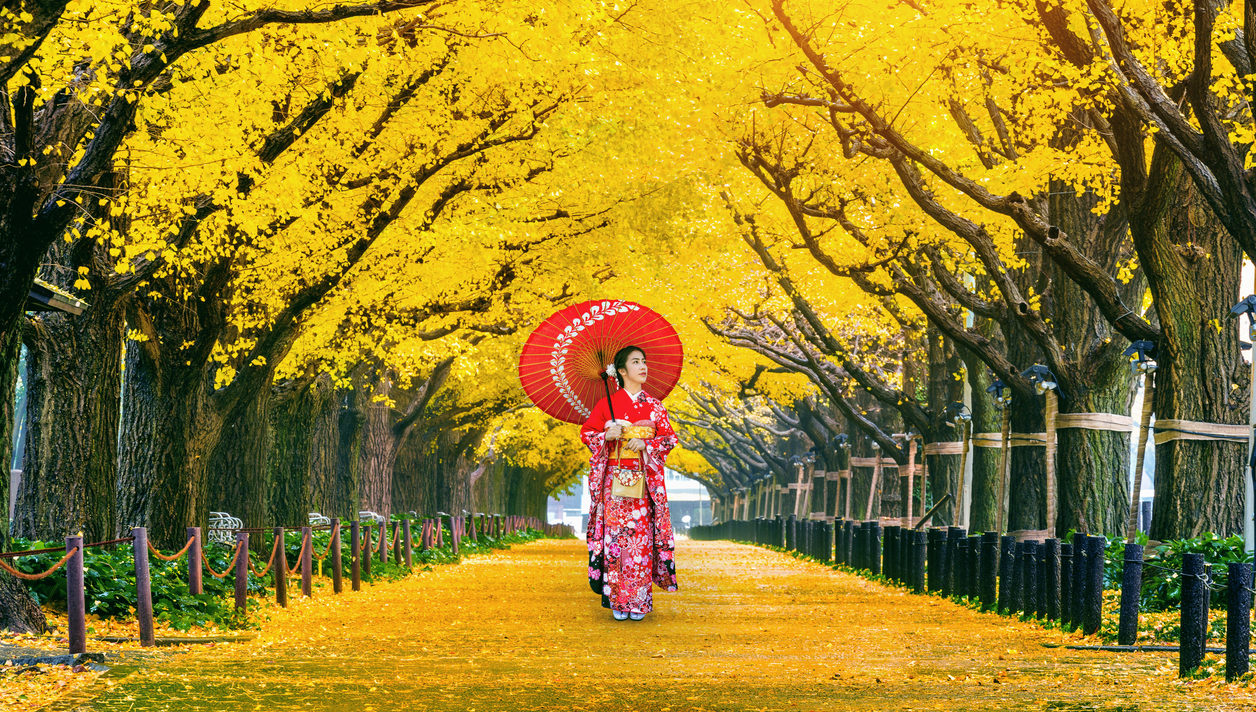
If yellow is your color, especially after all the reds you’ll see from maples elsewhere, Icho Namiki, otherwise known as Ginkgo Avenue, is a must-see, must-go-to koyo location. Icho Namiki is not a park or a garden, but a street lined with tall ginkgo trees on either side. Located near both Gaienmae and Aoyama-Itchome Stations, this spot is easy to find and has been crowned one of the top koyo spots in Tokyo and Japan according to a local autumn foliage website for years. The annual Icho Namiki festival is also a must-see—it runs from the end of November through early December. If you work in central Tokyo, most probably you’ll just happen to catch sight of it during your autumn morning commute. Breathe in that yellow!
 © Photo by iStock: YUJISTYLE
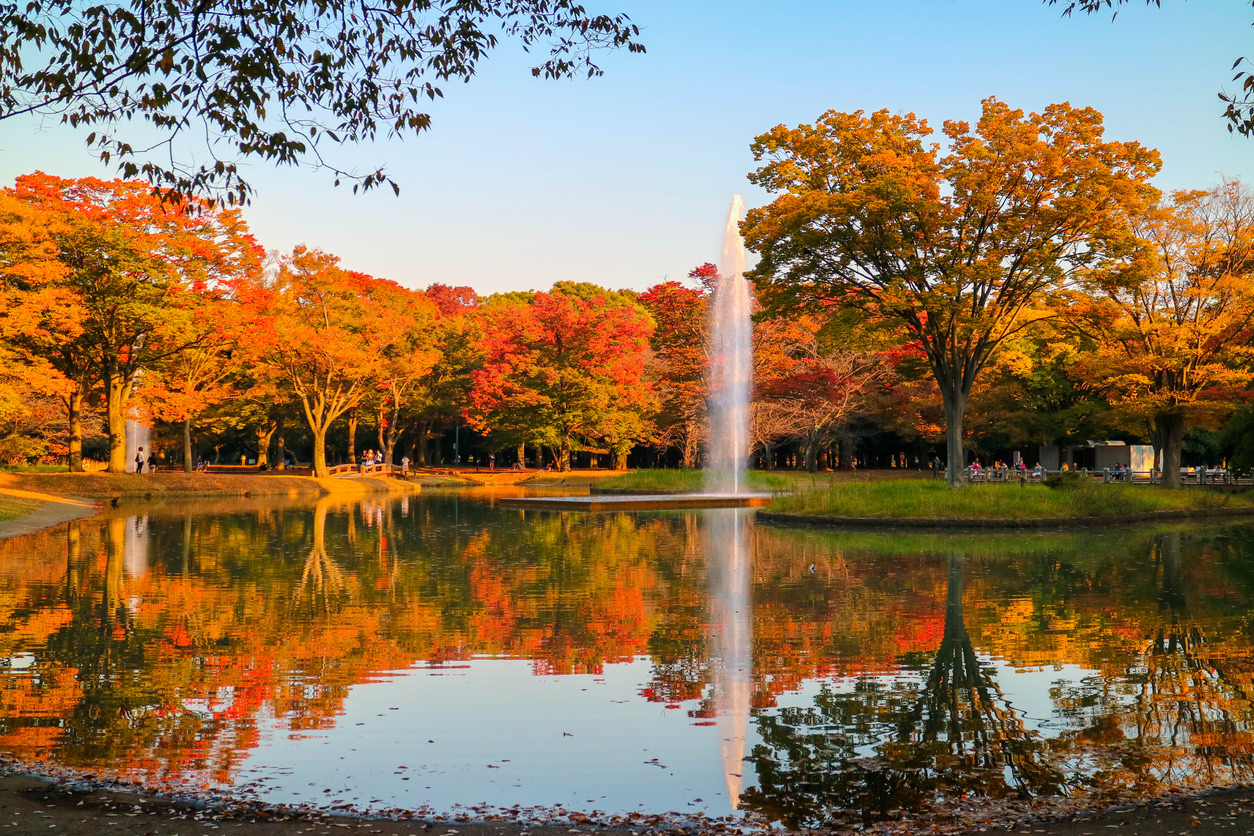
The best place to chill year-round? Yoyogi Park. Bring a group of friends, a French bulldog, some blankets, a six-pack of cider and pop a squat for some momijigari (autumn leaves viewing). Of the places in Tokyo to see foliage, this is a place where you can kick back and take it all in at your own pace. Yoyogi Park, for those of you not in the know, is about a five-minute walk from Harajuku Station. Keep a day or two open this fall for an impromptu koyo sesh.
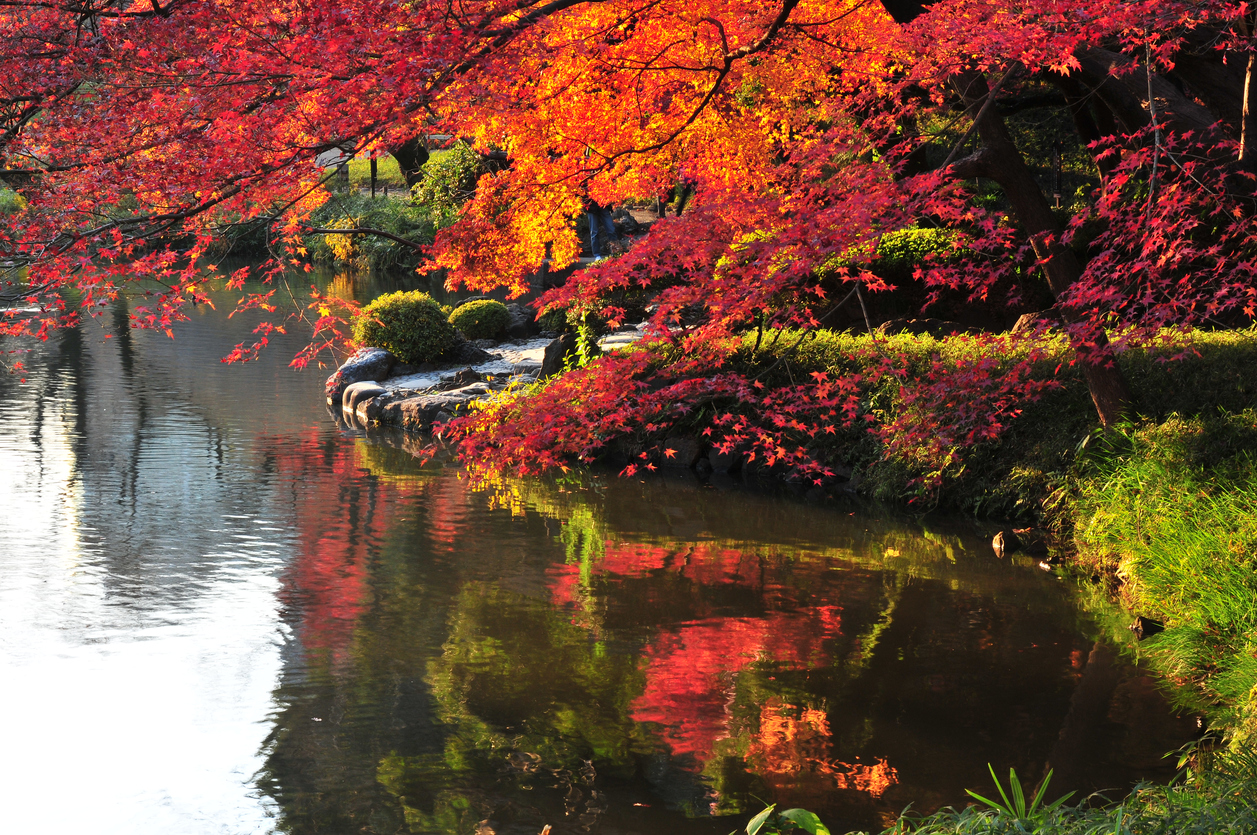 © Photo by iStock: magicflute002
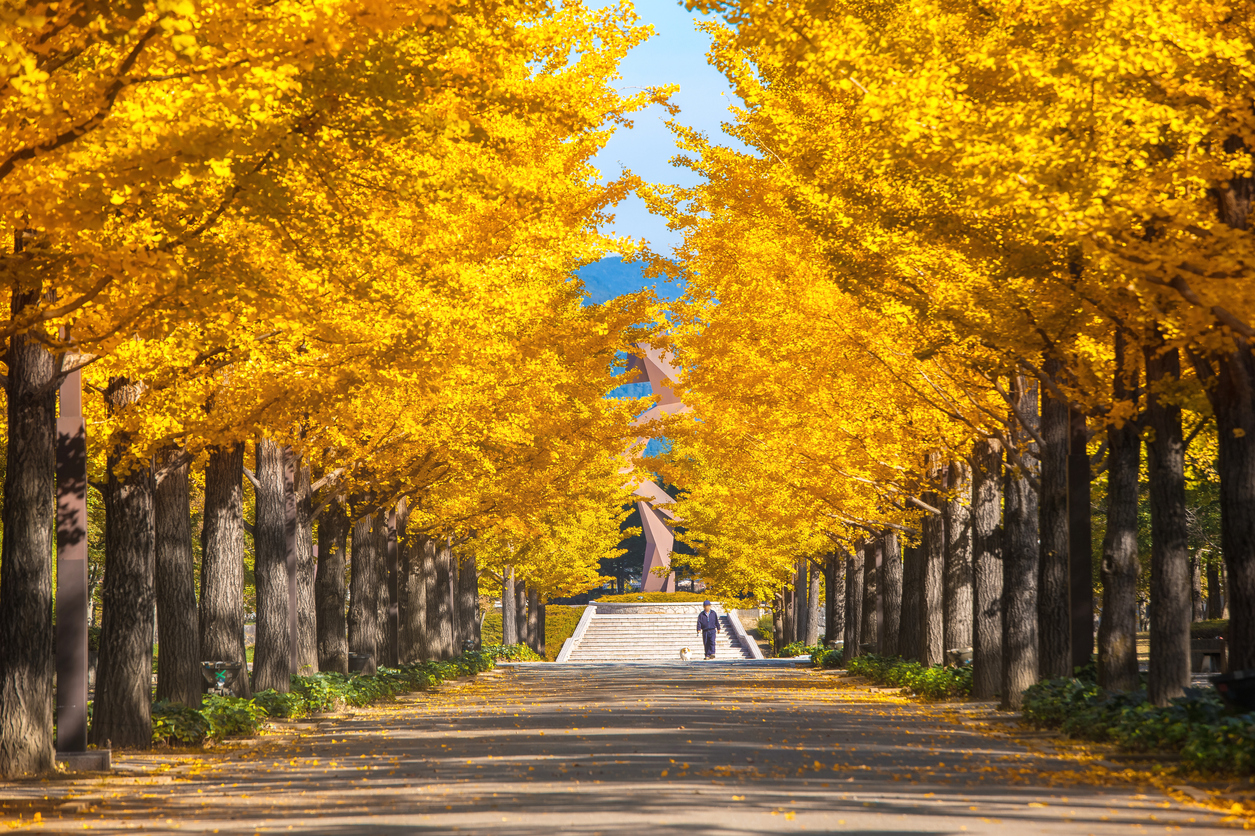
Right next door to Tokyo Dome, this garden is worth visiting any time of the year, but it’s really autumn that brings out the most splendid sights of it. Created in the early Edo Period, the garden has a number of manmade hills, ponds, bridges, paths and viewing points, highlighting the golden yellow leaves of its gingko trees, along with the varied shades of orange and red on the maple trees. A wonderful destination for a romantic autumn walk or a day out with the whole family.
 © Photo by iStock: kitchakron
Tachikawa’s Showa Memorial Park is heaven for family outings at any given time of the year: there’s flower viewing, picnicking, playing sports, barbecuing, water play and so much more. But when autumn kicks in, the park transforms into a breathtaking location for an afternoon walk through the splendid colors of all forms and kinds. Enjoy the autumn by renting a bike and cycling around some of the park’s 14 kilometers of paths, or rent a paddleboat and watch the yellow, red and orange trees from the lake. One of Tokyo’s best-kept secrets, this park will never disappoint, especially in autumn.
 © Photo by iStock: oasis2me
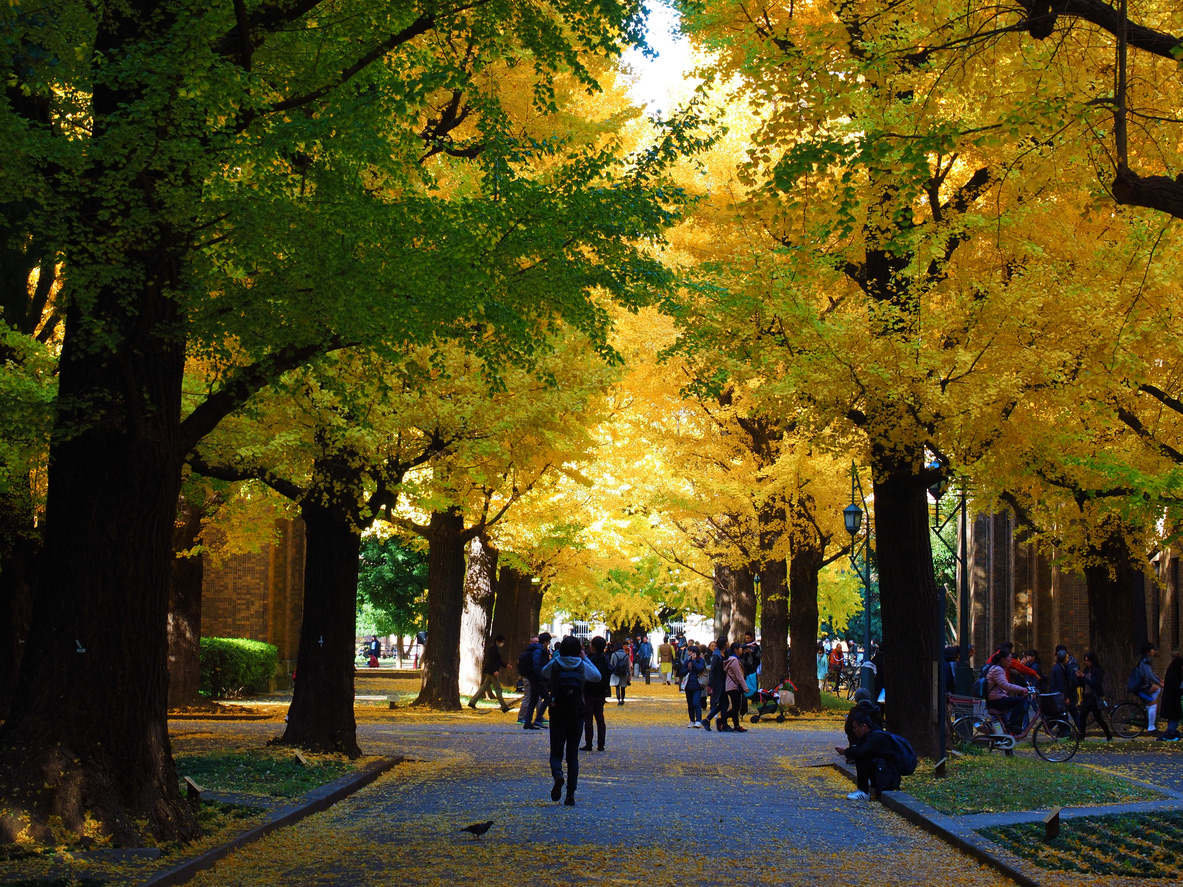
Created in 1906, the University of Tokyo’s beautiful ginkgo avenue is lined with trees transplanted from the Koishikawa Botanical Garden. Originally, ginkgo trees weren’t commonly used for street landscaping, so they were pretty unique at the time. As it was lengthened over the years, even more ginkgo trees were added, and by the time Yasuda Auditorium was completed at the end of the avenue in 1925, the project was finally realized. A stroll down this avenue in the fall is definitely a must-do!
 © Photo by iStock: magicflute002
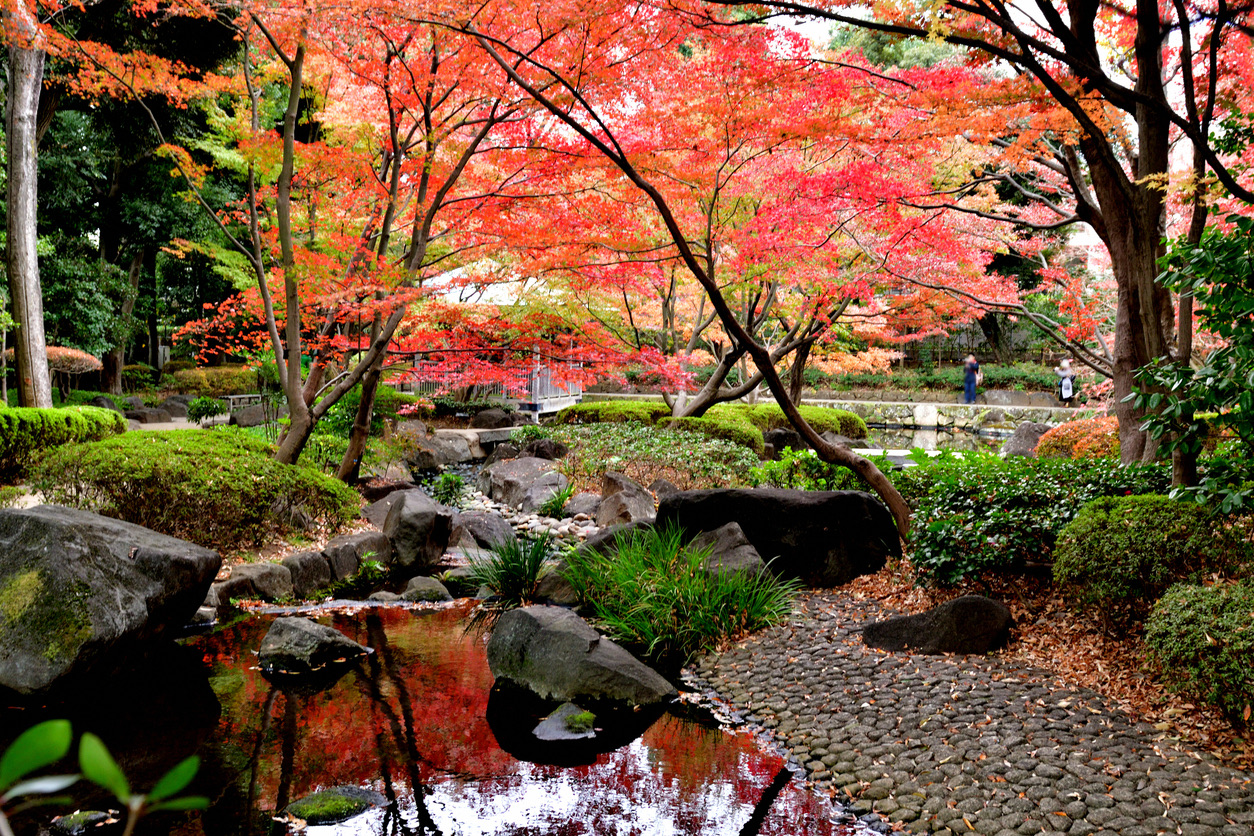
This beautiful Japanese garden, located in Suginami Ward, was developed in 1981 on the former home of music critic Otaguro Motoo. The rows of ginkgo trees and over 100-year-old maples are absolutely stunning when they change colors! Don’t miss the charming Western-style building that Otaguro built as his workroom back in 1933. It’s now a memorial museum, and you can see things like his cherished 1900 Steinway piano. This park is the perfect mix of nature and history.
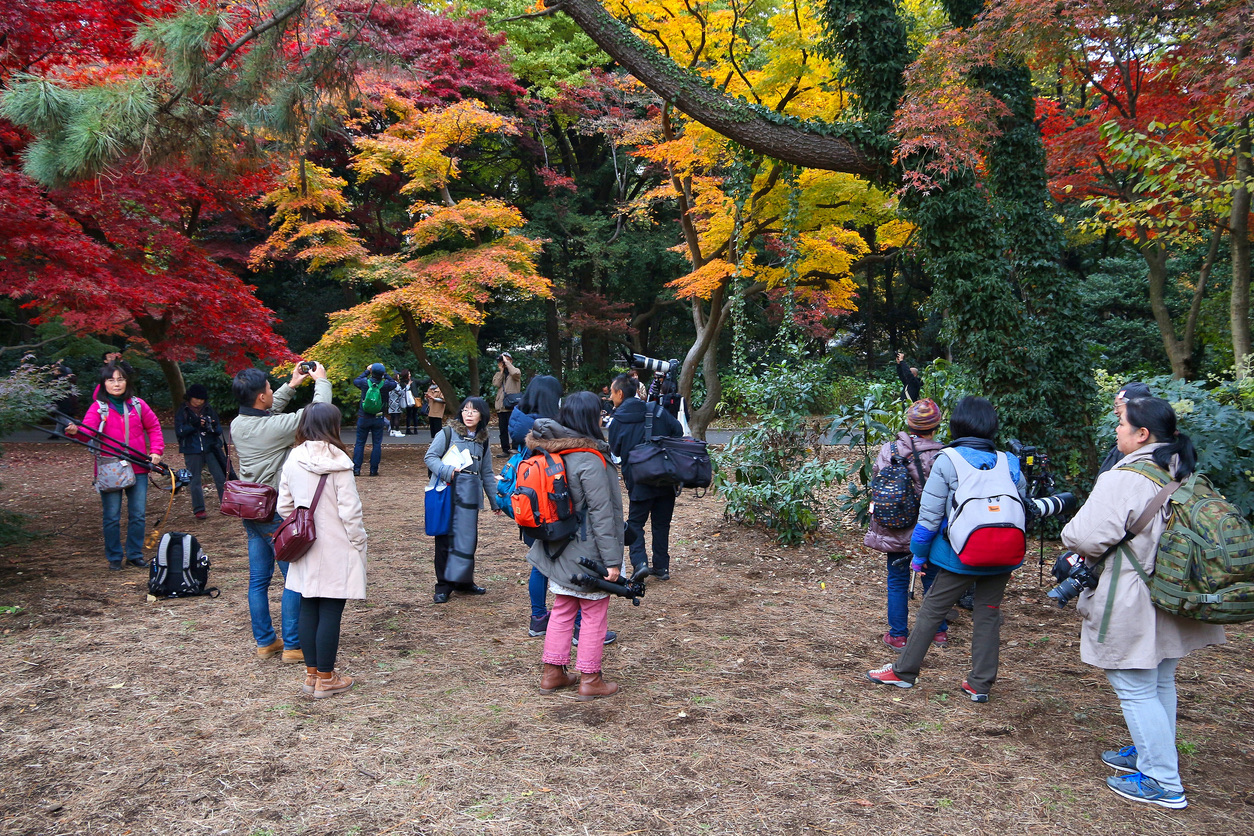 © Photo by iStock: tupungato
A popular destination for locals and tourists, Shinjuku Gyoen is a breathtaking, vast garden that, in our modest opinion, is most splendid when colored in red. Take a stroll through the park’s endless alleys, have a rest on a bench and enjoy this vivid natural scene that is beyond gorgeous. Though Shinjuku Gyoen has three different gardens—English, French and Japanese—the autumn leaves are particularly stunning in the Japanese garden and Momijiyama (maple mountain) on the park’s eastern side.
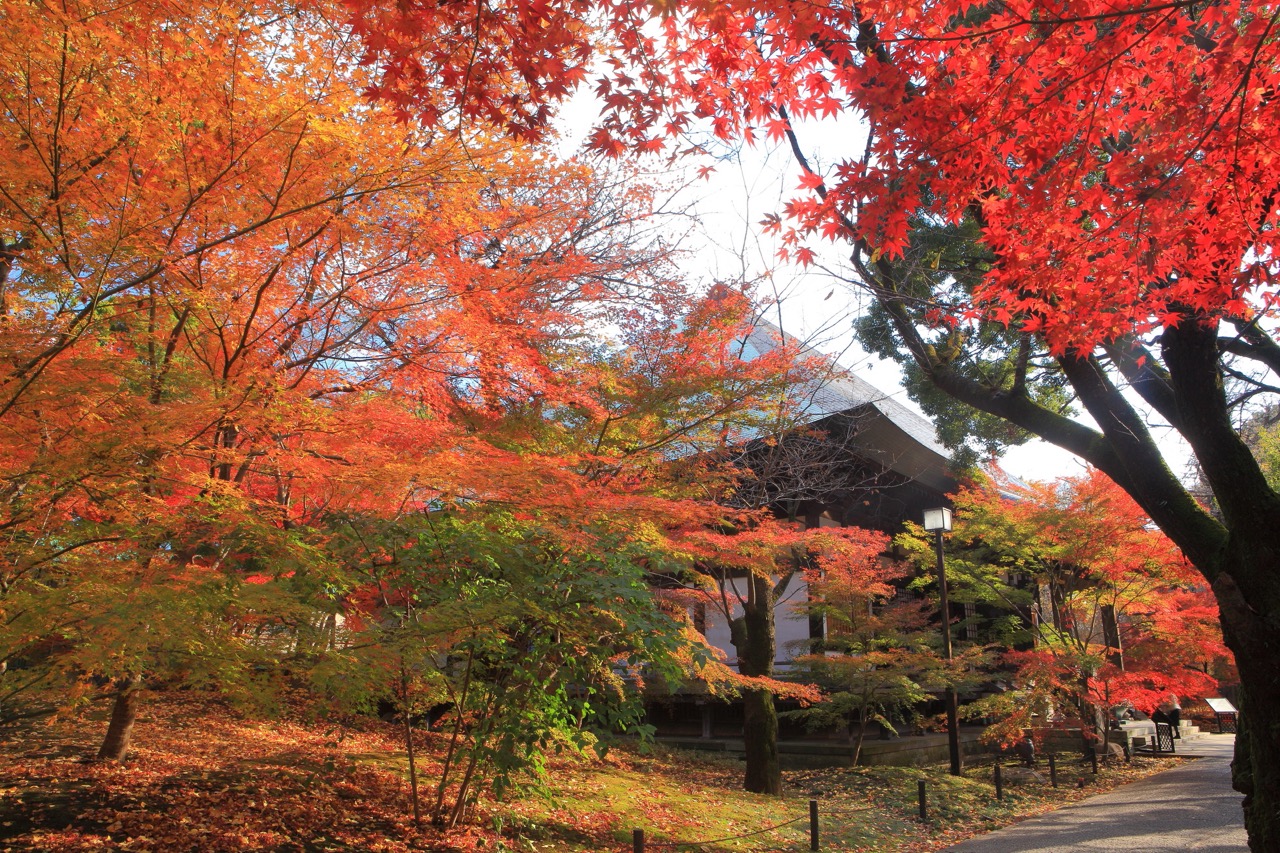 © Photo by Pixta: kazukiatuko
Feel a sense of calm wash over you as you walk through the Niomon Gate, entering the Kuhonbutsu Joshin Temple. As you explore the temple grounds, you can take your time soaking in the beautiful autumn leaves alongside classic temple scenery. It’s the kind of place where you can just unwind and appreciate nature’s beauty and spirit. Honestly, you can start enjoying the autumn vibes right after you step out of Kuhombutsu Station! It’s a hidden gem you won’t want to miss this fall.
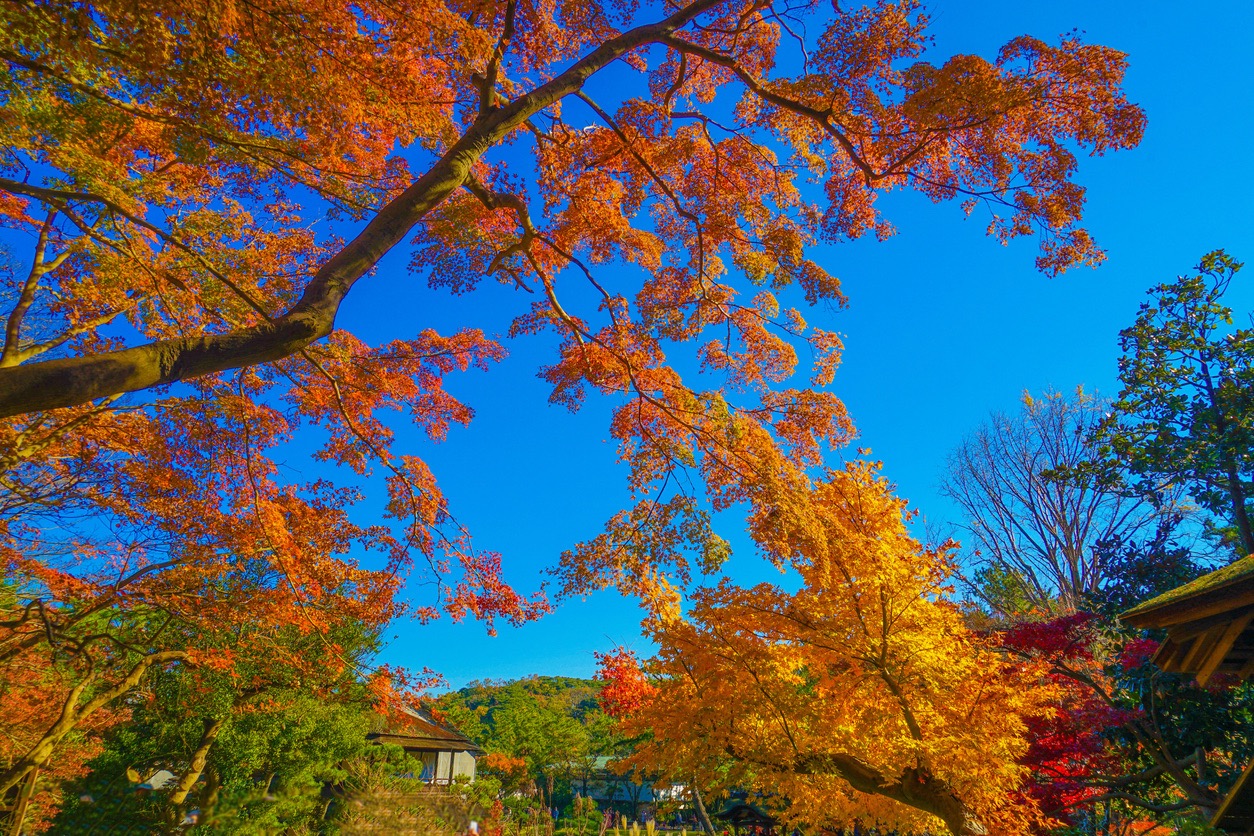 © Photo by iStock: kanzilyou
Think bridges, maples, ponds, historic buildings and a Kyoto vibe. This traditional Japanese garden in Yokohama is beautiful in any season but especially vibrant in autumn. The inside of the houses is open to the public, so you can feel free to take a peek and submerge yourself in the historic site. Accessible by bus from JR Yokohama Station and JR Negishi Station, this location is ideal for those seeking some happy Edo inspiration.
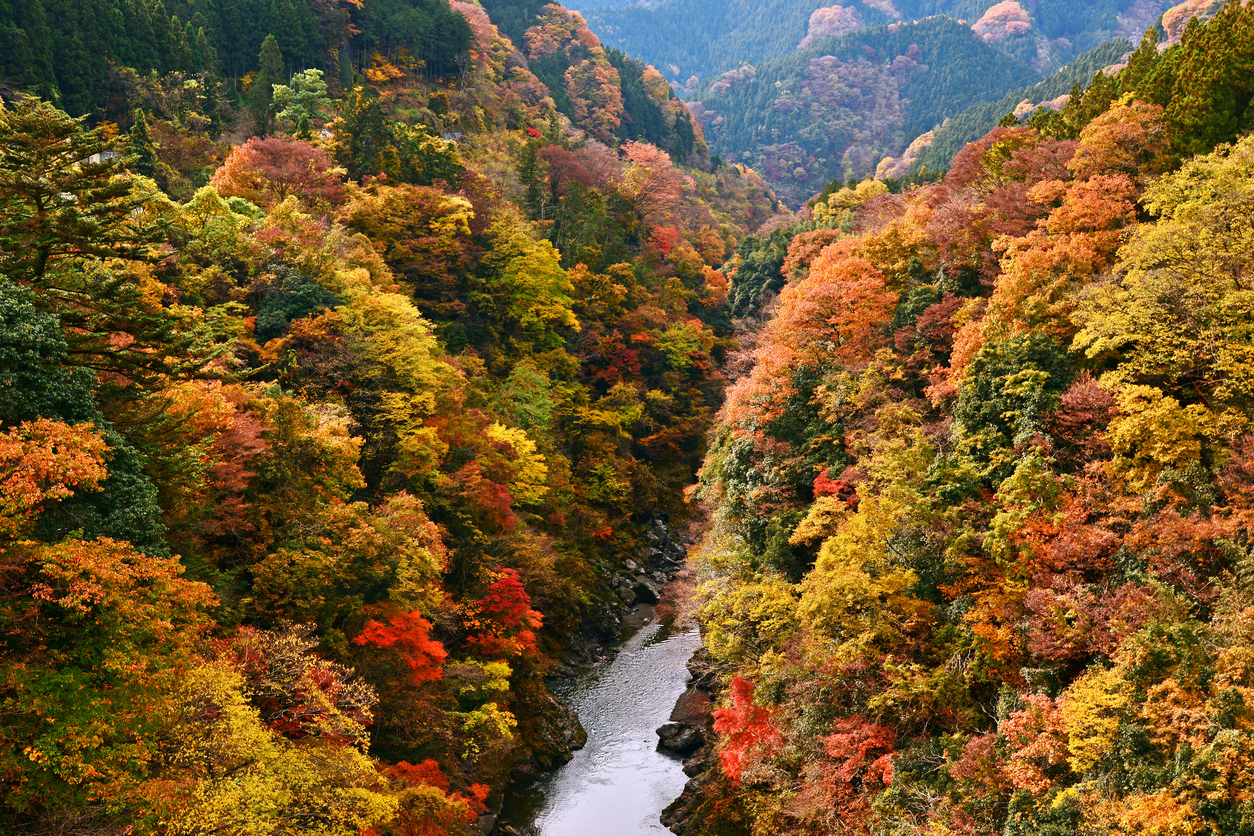 © Photo by iStock: nabe133
A lot of trees. A lot of autumn leaves. The folks in Saitama are familiar with the spoils of this lovely national park. For those in Tokyo, this is a simple day trip away. Because this park is huge, there is a lot to do—even nearby mountains to hike, such as Mt. Mitsumine and Mount Mitake—both of which have beautiful shrines at their summits. Also in the area is the Nagatoro Valley, a beautiful locale famous for its foliage reflections in the Arakawa River. If boats are your thing, you can even drift downstream in one.
P.S. Beware of cute bears!
 © Photo by iStock: thanyarat07
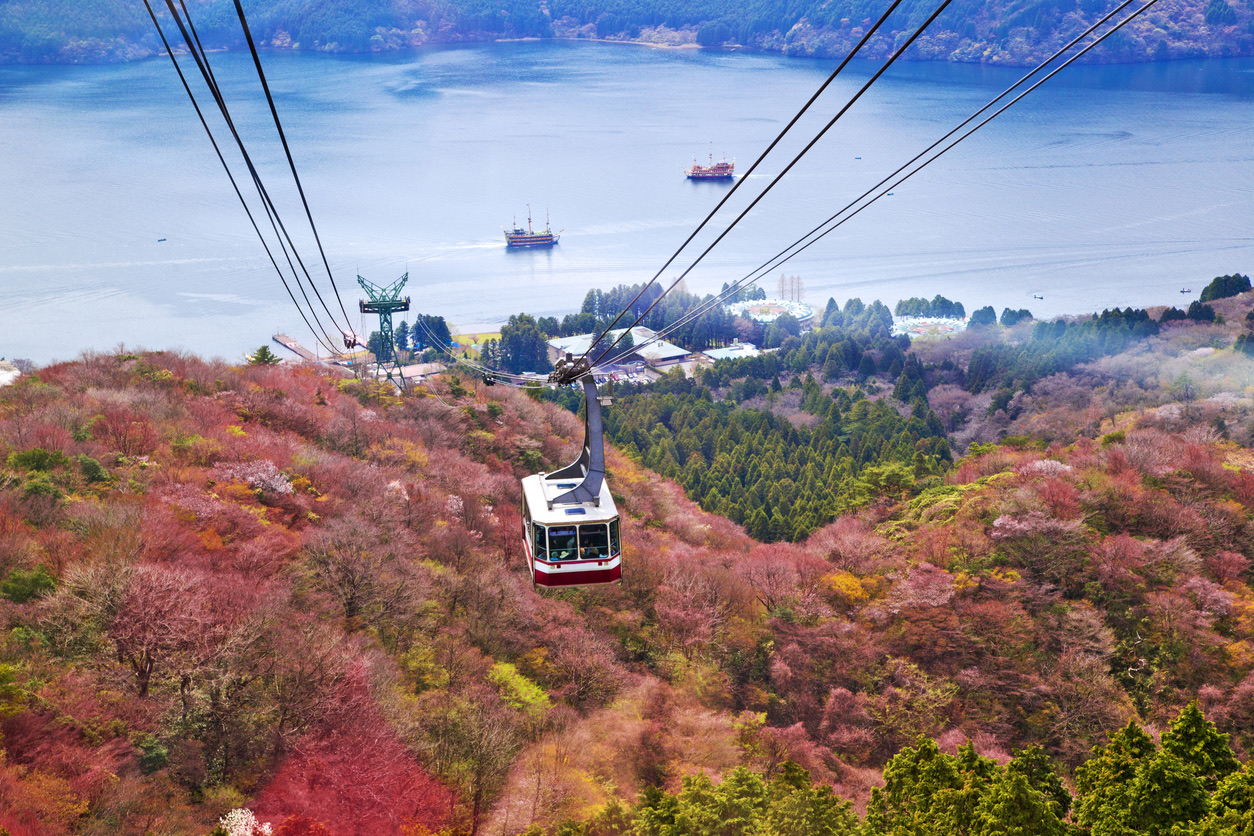
Hakone claims to have the best autumn colors in Japan, and while we thought the glorious spot belonged to Kyoto, a walk through Gora is enough to persuade you that they’re not joking. Start your autumn journey at Lake Ashinoko, then stop by Sengokuhara, where you can enjoy the colors as you play golf or relax in an onsen, then head to Gora and Kowakudani, the natural hot springs resort.
The ultimate autumn view, however, is at Gora’s Hakone Museum of Art, where the leaves are reflected in every object, pond and bamboo tree in the museum’s vast garden. If that’s not enough, find your way toward the nearby Hakone Gora Park, a spot where you can enjoy the autumn colors while sipping a traditionally brewed cup of hot green tea.
Koyo doesn’t last forever, so be sure to catch it before it “leaves!”


